Pink Tulips: A Unique Blend of Elegance and Versatility in Design
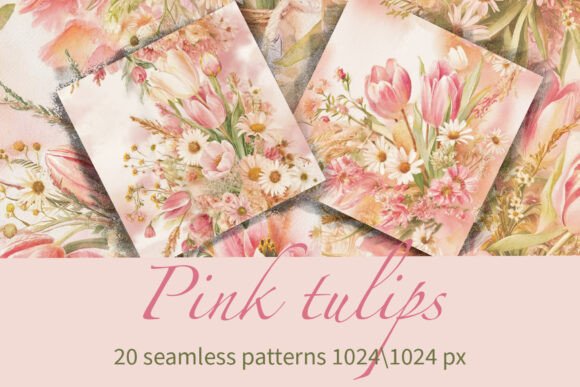
Pink tulips have become a popular symbol in the world of design, particularly when it comes to creating seamless patterns for digital use. Known for their soft hues and graceful form, pink tulips are often used as a central motif in pattern creation due to their visual appeal and adaptability. When paired with 20 PNG seamless patterns at 1024x1024 pixels, they offer designers a powerful toolset that combines natural beauty with technical precision.
What Are Pink Tulips?
Pink tulips are a variation of the classic tulip flower, distinguished by their delicate shades of pink ranging from pale blush to vibrant fuchsia. In design contexts, these flowers are frequently stylized or illustrated to create repeatable motifs that can be used across various platforms such as websites, mobile apps, packaging, and print materials. Their popularity stems from their ability to evoke feelings of romance, springtime, and femininity without being overly flashy.
The symbolic meaning of pink tulips—often representing affection, grace, and elegance—makes them especially appealing for branding and marketing purposes. Whether you're designing for a boutique fashion line or a wellness brand, incorporating pink tulips into your visuals can help communicate warmth and sophistication.
Why Choose Pink Tulips for Pattern Design?
- Visual Harmony: The symmetrical shape of tulips makes them ideal for tiling in seamless patterns, reducing visual clutter while maintaining an engaging aesthetic.
- Versatile Color Palette: With a wide range of pink tones available, pink tulips allow for easy color coordination with different brand identities or themes.
- Minimalist Appeal: Stylized versions of pink tulips can complement minimalist design trends by adding subtle texture and interest without overwhelming the viewer.
- High-Resolution Readiness: Many pink tulip pattern sets come in high-resolution formats like 1024x1024 PNGs, ensuring crisp clarity on both digital and printed surfaces.
Comparing Pink Tulips with Other Floral Motifs
When selecting floral elements for pattern design, it's important to consider how different flowers perform visually and thematically. For example, roses are often associated with luxury and passion but may not fit every brand’s tone. Daisies bring a more playful, youthful energy, while peonies tend to look opulent and heavy. Pink tulips, by contrast, strike a balance between elegance and approachability.
In terms of usability, tulips generally have simpler structures compared to other flowers, making them easier to scale and tile seamlessly. This is especially valuable when working with repeating patterns for backgrounds or textures. Unlike some intricate floral designs that require careful alignment to avoid distortion, pink tulips lend themselves well to clean, continuous layouts.
Strengths of Pink Tulip Seamless Patterns
- Seamless Tiling: High-quality PNG files ensure that the edges of each pattern align perfectly when repeated, avoiding visible breaks or distortions.
- Transparency Support: The PNG format allows for transparent backgrounds, giving designers greater flexibility in layering and integrating the patterns into existing designs.
- Adaptability: These patterns can be easily modified using graphic design software, enabling customization to suit specific projects or branding needs.
- Timelessness: While many floral trends come and go, pink tulips remain a classic choice that feels both fresh and familiar.
Tradeoffs and Limitations to Consider
While pink tulips offer numerous advantages, there are also situations where they may not be the best fit. One limitation is their relatively narrow thematic scope. Because pink tulips are often linked to romantic or feminine aesthetics, they might not work as effectively in more masculine or industrial design contexts.
Another consideration is the need for variety. Using the same pink tulip pattern repeatedly across a project could lead to a monotonous appearance. Designers should evaluate whether additional variations or complementary motifs would enhance the overall look and feel of the final product.
Best-Fit Situations for Pink Tulip Patterns
- Wedding Invitations and Stationery: The gentle and romantic connotations of pink tulips make them a natural choice for wedding-related designs.
- Fashion and Textile Prints: Their soft colors and elegant shapes pair well with fabrics and apparel, especially in spring or summer collections.
- Wellness and Lifestyle Brands: Companies in the beauty, yoga, or spa industries often benefit from the calming and uplifting presence of pink tulips.
- Home Decor and Interior Design: These patterns can add a touch of nature-inspired charm to walls, curtains, or decorative items.
How to Use 20 PNG Seamless Patterns Effectively
Having access to 20 PNG seamless patterns (each sized at 1024x1024 px) provides ample opportunity for creativity and experimentation. However, successful implementation depends on thoughtful planning and understanding of the intended application.
Start by selecting the most appropriate pattern based on the desired mood and purpose. For instance, a bold, solid-color tulip pattern might work better for a background than a detailed one with too much shading. Test the patterns in different contexts to see how they respond to scaling and tiling. Tools like Adobe Photoshop or online pattern generators can assist in previewing and adjusting the layout before finalizing the design.
Practical Examples of Usage
Consider a lifestyle blog focusing on self-care and mindfulness. By applying a light pink tulip seamless pattern as a background for a newsletter template, the designer can subtly reinforce the brand’s message of serenity and renewal. Alternatively, a boutique clothing line might use a darker, more saturated pink tulip pattern to give a luxurious yet accessible feel to its product listings.
In web design, these patterns can serve as overlays or base textures. A good practice is to apply them sparingly so they don’t compete with primary content. For example, using a translucent tulip pattern behind text blocks or buttons can enhance visual hierarchy without distracting users.
Alternatives to Pink Tulip Patterns
Although pink tulips are versatile, there are times when alternative floral or non-floral patterns may be more suitable. For instance, geometric patterns can provide structure and modernity where floral motifs fall short. Abstract watercolor designs may be preferred for a more artistic or experimental feel.
Other floral options such as lavender sprigs, cherry blossoms, or dandelions can also be considered depending on the target audience and message. Lavender offers a soothing effect and works well in health-focused environments, while cherry blossoms carry a sense of transience and delicacy that might appeal to certain cultural narratives.
Evaluating the Right Choice for Your Project
To determine if pink tulips are the right choice, consider the following factors:
- Brand Identity: Does the symbolism of pink tulips align with your brand values? If your brand focuses on love, care, or natural beauty, then yes.
- Design Complexity: Will the pattern complement or complicate the rest of the design? Simpler patterns tend to work better with complex layouts.
- Color Coordination: How do the pink tones interact with your brand colors? Adjustments may be needed for optimal contrast and harmony.
- Platform Requirements: Are you designing for print, web, or mobile? Ensure the resolution and file type meet the necessary standards for each medium.
Enhancing Your Designs with Complementary Elements
While pink tulips can stand alone beautifully, combining them with other design elements can elevate the overall composition. Think about integrating them with neutral tones, typography, or even abstract shapes to create a layered yet cohesive look. For example, a pink tulip pattern might be enhanced by pairing it with soft pastel gradients or handwritten fonts to maintain a consistent theme.
It’s also worth experimenting with different arrangements—some patterns feature tulips as the sole element, while others include leaves, vines, or butterflies. Evaluate which version suits your project best, keeping in mind the principles of balance, contrast, and unity.
Technical Tips for Working with PNG Files
Since you're working with 20 PNG seamless patterns, it's important to understand the technical aspects of handling this file type. Always ensure the alpha channel is intact for proper transparency. If you’re using multiple patterns, check for consistency in style and detail level to prevent jarring transitions.
Additionally, optimize file sizes for web use without sacrificing quality. Large PNGs can slow down load times, especially if used extensively on a site. Consider converting some patterns to JPEG if transparency isn't required, or compressing them using tools like TinyPNG or ImageOptim.
When to Opt for Another Option
There are several scenarios where pink tulips might not be the ideal choice. If your design requires a more rugged or earthy aesthetic, you might prefer botanical illustrations featuring ferns or succulents. For tech-savvy audiences or corporate settings, geometric or monochrome patterns may convey professionalism more effectively.
If you're targeting a younger demographic or aiming for a more whimsical vibe, playful motifs like polka dots, stripes, or cartoon-style florals could be better suited. Similarly, for winter-themed projects or holiday campaigns, deeper red or white flowers might resonate more strongly with the intended seasonality.
Key Decision Factors
Choosing the right pattern involves considering several key decision points:
- Target Audience: Who will be viewing the design? Age, gender, and interests all play a role in determining the right floral motif.
- Project Purpose: Is the pattern for a logo, website background, or product packaging? Each application has unique requirements.
- Style Consistency: Does the pattern match the overall style of your design? It should enhance—not clash with—the visual narrative.
- Technical Feasibility: Can the pattern be scaled and tiled without losing quality? High-resolution PNGs are crucial here.
Final Thoughts on Choosing Pink Tulips
Pink tulips represent a thoughtful middle ground between minimalism and ornamentation. Their distinct shape and color make them a compelling option for pattern design, especially when you want to infuse a sense of warmth and refinement. Paired with 20 PNG seamless patterns in 1024x1024 resolution, they offer both creative freedom and technical reliability.
Ultimately, the success of any pattern lies in how well it supports the design goals. Pink tulips may be the perfect solution for some projects but less effective for others. By evaluating your needs and experimenting with different combinations, you can find the ideal match that enhances your design without overpowering it.